In the architecture of Mammoth Software, "Token" is a core but easily misunderstood concept.
To ensure system stability and smooth user operations, its definition and consumption logic must be clarified. Below is a deep dive into the Token mechanism.
1. Core Definition: System Operation Credential
In the context of Mammoth Software, a Token is not a unit for measuring content size, but a functional consumable resource. It essentially serves as "fuel" for system authentication and permission verification.
- Attribute: Consumable.
- Mechanism: Decreases with specific operations; needs top-up when depleted.
- Purpose: Ensures users have valid system credentials for critical interactions.
2. Main Consumption Scenarios
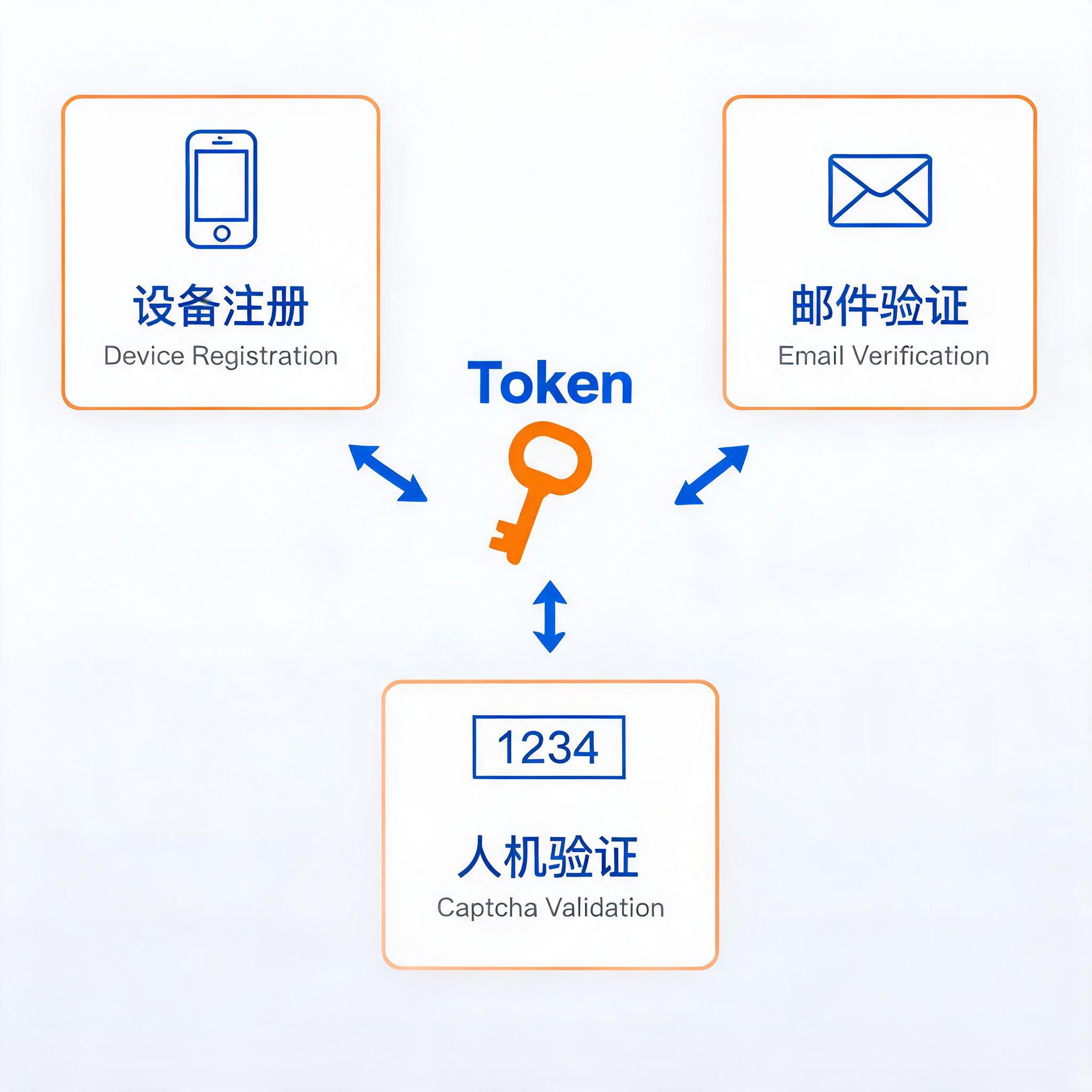
The Token primarily supports underlying operations in registration and verification processes. Specific consumption points include:
- DeviceToken: Consumed when the software recognizes a new device or needs to rebind device permissions.
- Email Verification: Consumed when sending verification emails or activating email-related features.
- Recaptcha Validation: Consumed for each human-machine interaction verification in security checks (e.g., auto-fill, secondary confirmation).
In short, any operation involving identity registration, permission refresh, or interface verification will deduct this Token.
3. Key Misconception: Essential Difference from AI Tokens
This is the most common confusion point. The Token in Mammoth Software is completely different from AI Tokens.
| Feature | Mammoth System Token | AI Token |
|---|
| Measurement Unit | Operations (count) | Characters/Words |
| Usage | Authentication, registration, API calls | Text length measurement, content generation |
| Consumption Logic | Deducted once per action | Deducted per character/word generated or input |
| Management | Top-up when depleted (like prepaid) | Accumulated with usage (like metered) |
Conclusion: Do not try to understand Mammoth's Token using AI Token logic. The former is about "counts", the latter about "content". Confusing them leads to misjudgment (e.g., thinking writing more text drains the Token, when in fact it's too many verification actions).
4. Management and Recommendations
Given its consumable nature, users are advised to adopt the following strategies:
- Monitor Threshold: When remaining Token falls below the warning line, prepare to top up immediately to avoid critical verification failures.
- Distinguish Scenarios: Before batch registrations or high-frequency captcha validations, ensure sufficient Token balance to prevent interruptions.
- Independent Budget: In financial planning, treat this Token as "operational cost", not "content generation cost".
In summary, the Token in Mammoth Software is a consumable credential for maintaining system authentication and interaction. Understanding its "per-action deduction" nature and strictly distinguishing it from AI's content measurement unit is fundamental for efficient use.