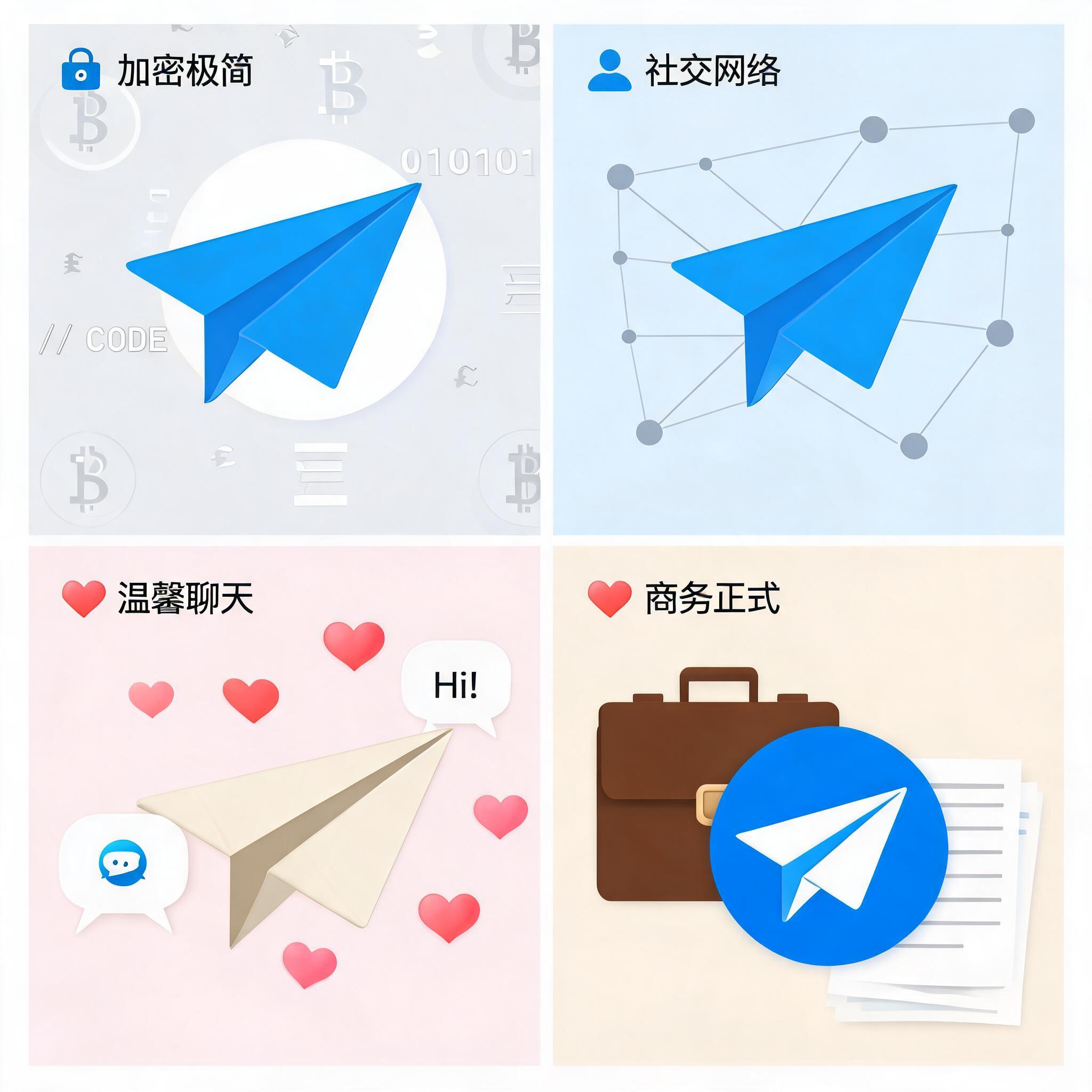
In the Chinese internet ecosystem, Telegram has more than one name. It is a typical example of a "digital Babel tower," with different monikers hiding distinct usage scenarios, user groups, and cultural psychology.
1. Core Concept Definitions
Before delving deeper, it's essential to clarify the precise meanings of these four terms in the Chinese context:
- TG: The English abbreviation for Telegram, emphasizing the platform attribute.
- Telegram (Diànbào): The official Chinese name, highlighting communication functionality and formality.
- Plane ID (Fēijī hào) / Paper Plane (Zhǐ fēijī): Nicknames derived from the logo (blue paper plane). "Plane ID" specifically refers to the username or ID, while "Paper Plane" is a nickname for the app itself.
2. Who Uses These Terms? Deep Dive into User Profiles
2.1 "TG" Users: Efficiency-Oriented and Web3 Natives
- Core audience: Cryptocurrency traders, tech geeks, returnees from overseas.
- Usage scenarios: Community communication, information gathering, investment discussions.
- Psychological motivation: "TG" is short and punchy, fitting the fast-paced internet culture. In crypto circles, people often say "Check the TG group for updates" because Telegram is the official communication tool for the blockchain world. These users prioritize efficiency, dislike redundant Chinese characters, and often mix Chinese and English (e.g., "Join my TG group").
- Typical traits: Aged 20-45, highly receptive to new technology, active on overseas platforms like Twitter (X) and Reddit.
2.2 "Plane ID" Users: Social Connectors and Resource Sharers
- Core audience: WeChat business operators, community managers, business professionals who frequently exchange contact info.
- Usage scenarios: Adding friends, identity verification, resource distribution.
- Psychological motivation: The character "号" (number) gives it an attribute of "account asset." When someone says "Send me your Plane ID," they mean the specific User ID, not just the app. This implies the user values privacy and prefers not to bind social connections via phone number.
- Typical traits: Privacy-conscious, using Telegram as a secondary address book.
2.3 "Paper Plane" Users: Emotional Expressers and Younger Crowd
- Core audience: Female users, anime fans, ordinary users seeking lifestyle enjoyment.
- Usage scenarios: Casual chat, social media captions, informal recommendations.
- Psychological motivation: "Paper Plane" sounds more visual and friendly than "Telegram," evoking nostalgia and childlike innocence. It weakens the tool attribute and enhances social interaction. When users share "I posted a picture on Paper Plane," it implies a relaxed, non-serious communication experience.
- Typical traits: Sensitive to visual symbols, preferring concrete nicknames to lower communication barriers.
2.4 "Telegram" Users: Traditional Thinkers and Formal Participants
- Core audience: Older users (35+), official announcement publishers, serious business professionals.
- Usage scenarios: Formal notifications, file transfers, official channel promotion.
- Psychological motivation: "Telegram" is the official direct translation, carrying historical weight. For users accustomed to national apps like WeChat, the term hints at the essence of "instant messaging." In formal settings (e.g., company email notifications), using "Please receive the file on Telegram" sounds more formal than "Check TG."
- Typical traits: Pursue accuracy, avoid ambiguity, prefer official standard terms.
3. Cultural Logic Behind the Keywords
- Decentralization vs. Centralization: "TG" and "Plane ID" users see themselves as part of the Telegram ecosystem; "Telegram" users view it as a replacement or supplement to WeChat.
- Privacy Anxiety: The popularity of "Paper Plane" and "Plane ID" reflects Chinese users' fear of privacy leaks (especially phone numbers). Through figurative names, users build a psychological barrier separating Telegram from traditional phone communication.
- Circle Barriers: These terms are social currency. Saying "Paper Plane" in crypto circles may seem less hardcore; saying "Telegram" in casual chat may sound old-fashioned. Using the right term quickly bridges distances between users.
4. Conclusion
In the Chinese context, the four names for Telegram are not simple synonyms but user identity markers:
- TG = Efficiency and Professionalism (Crypto/Tech)
- Plane ID = Connection and Asset (Business/Social)
- Paper Plane = Emotion and Lifestyle (Casual/Young)
- Telegram = Formality and Function (Traditional/Official)
Understanding these differences not only helps more precise communication but also reveals users' real needs in the digital world. For developers or operators, using the corresponding term for different audiences is one of the lowest-cost strategies to improve user experience.
Do you think this makes sense?
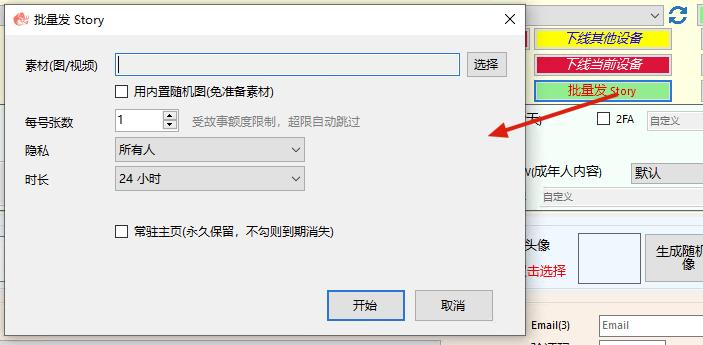
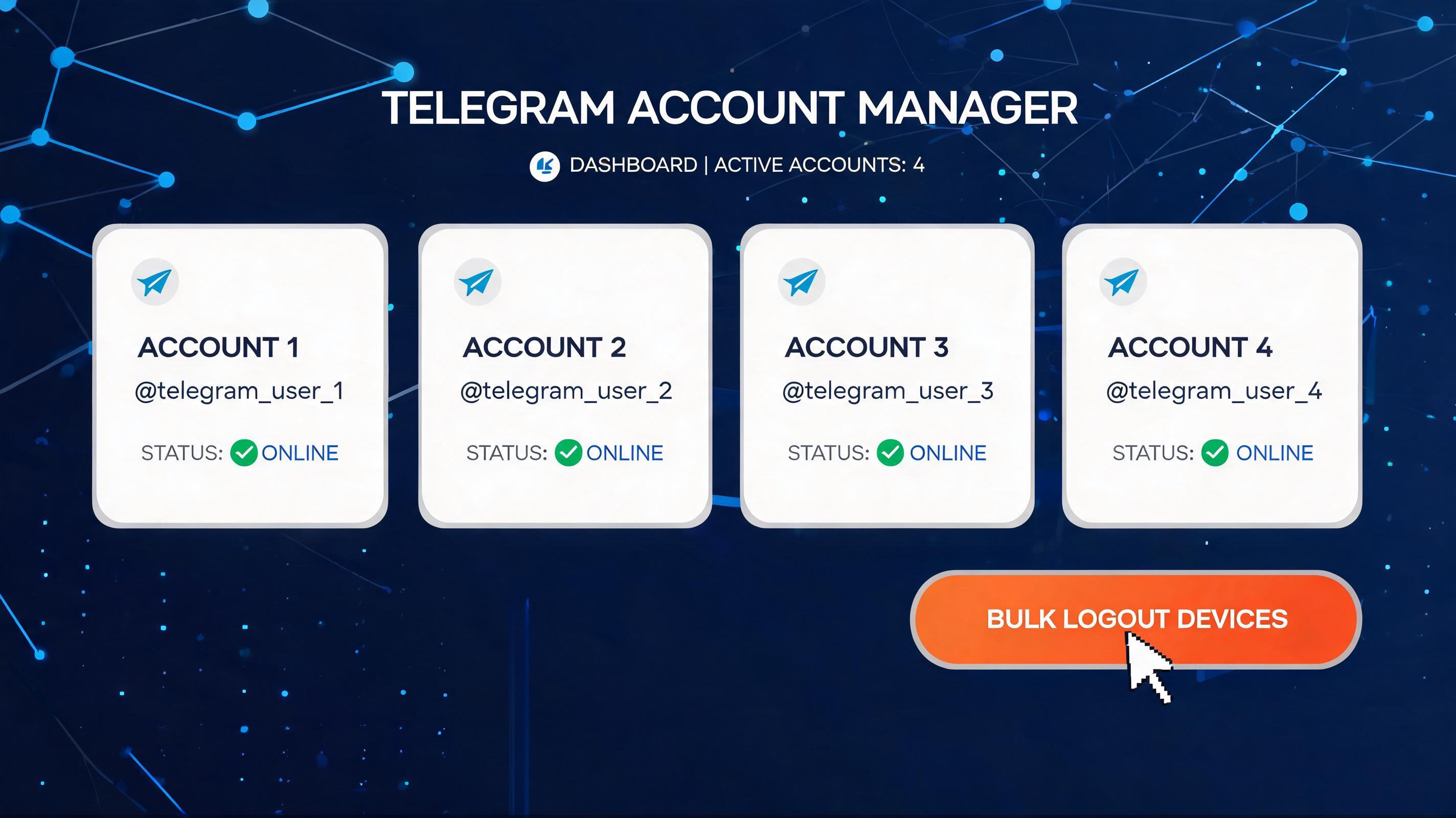
TELEMMX TGTOOLS is your Telegram automation powerhouse: auto-registration, SMS code receiving & number re-binding, and bulk account warming, cutting operational costs by 80%. Deep acquisition: keyword targeting locks in high-intent buyers, boosting conversion 5-10x. Smart marketing reach: private messaging, group seeding, and network-wide broadcasting run 24/7 unattended. Global risk control & anti-ban: built-in real-device simulation and circuit-breaker keep dead-account risk the lowest in the industry. Ops lead interception: one-click permission changes and sub-second response to hot leads.